
1. BGP Automation and Network Reliability
Modern networks increasingly rely on automation to manage BGP configurations and reduce human error. Infrastructure-as-code and automated validation tools help ensure consistent routing policies across large environments.
Automation platforms integrated with CI/CD pipelines allow engineers to:
-
Validate BGP changes before deployment
-
Detect configuration anomalies early
-
Roll back faulty updates instantly
2. BGP Monitoring and Real-Time Visibility
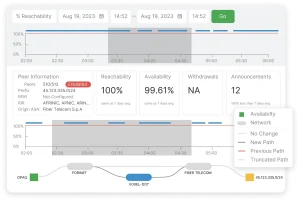
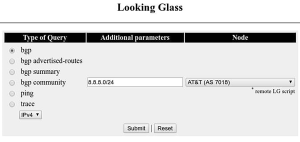
Real-time BGP monitoring has become essential for detecting routing incidents. Services such as RIPE NCC and APNIC provide public tools that allow operators to analyze route changes, hijacks, and leaks globally.
Common monitoring features include:
-
AS path visualization
-
Prefix origin tracking
-
Alerting for suspicious announcements
3. The Future of BGP
While BGP remains critical to internet routing, its future depends on:
-
Wider adoption of security mechanisms like RPKI
-
Better automation and policy validation
-
Increased cooperation between autonomous systems
Despite its age, BGP continues to evolve, adapting to the scale, complexity, and security challenges of the modern internet.