
1. The Rapid Growth of the BGP Routing Table
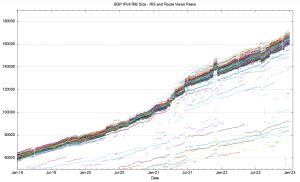
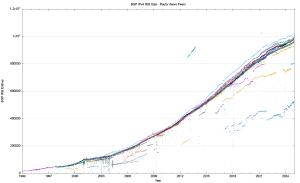
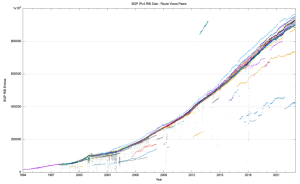
The global BGP routing table continues to grow at a rapid pace due to:
-
IPv6 adoption
-
Multihoming strategies
-
De-aggregation for traffic engineering
-
Expansion of cloud and content delivery networks
Today’s internet routers must handle over one million IPv4 and IPv6 routes, placing significant demands on memory and CPU resources.
2. Impact on Network Infrastructure
As routing tables grow, older routers may struggle to cope, leading to:
-
Increased convergence times
-
Higher hardware costs
-
Greater risk of routing instability
Large ISPs and content providers such as Amazon Web Services and Microsoft Azure invest heavily in high-performance routing platforms to manage this scale.
3. Route Aggregation and Optimization Strategies
To mitigate routing table growth, network engineers use:
-
Route aggregation (CIDR summarization)
-
Selective prefix announcements
-
Traffic engineering via communities instead of de-aggregation
These techniques help maintain scalability while preserving routing flexibility.